
Interview with Gail Tilden
An interview with Gail Tilden, former employee of Nintendo of America, who managed the launch of Pokémon outside of Asia
Feature: Interview with Gail Tilden
Gail Tilden was employed at Nintendo of America between 1983 and 2007, holding various roles in the company, from marketing to editor-in-chief of Nintendo Power Magazine. In particular, she led the team handling the launch of Pokémon outside of Asia. In this interview, Gail shares her memories and stories from her time working with the brand.
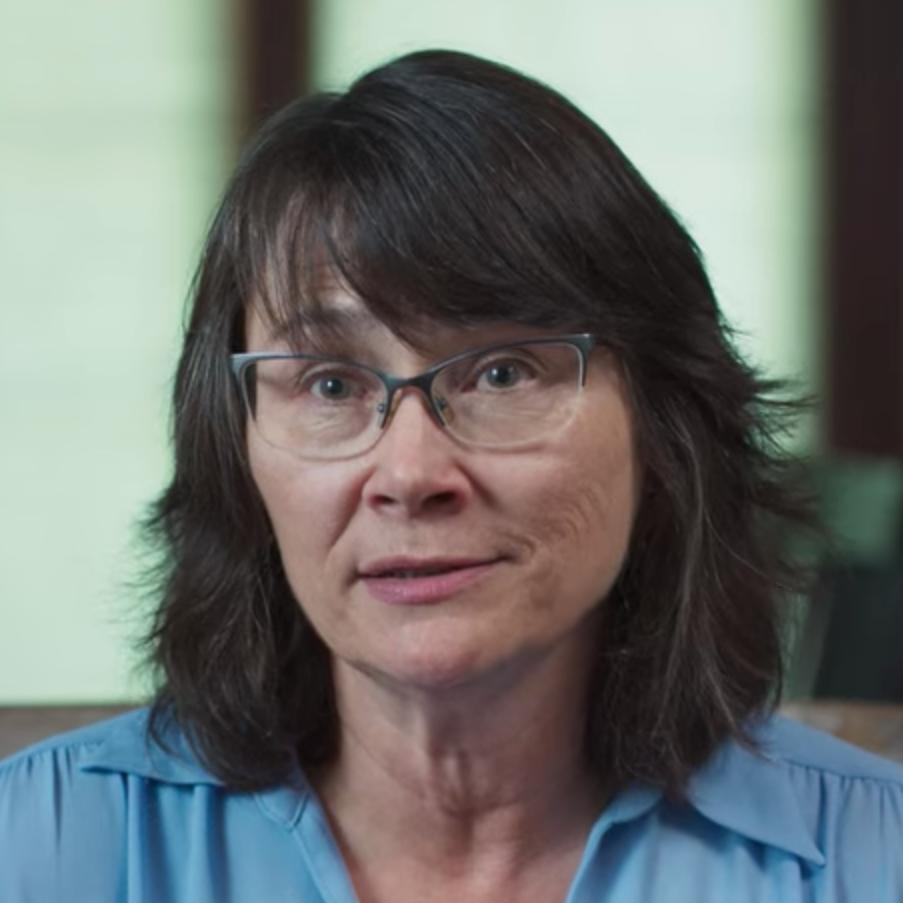 Gail Tilden
Allow me to begin by saying thank you for agreeing to this interview with us, Gail. Could you please introduce yourself to our readers?
Gail:
Hello, I worked in various marketing and brand positions at Nintendo of America (NOA) for 24 years, from 1983 to 2007. A few highlights were leading the advertising and PR launch of the NES, founding and acting as editor-in-chief of Nintendo Power Magazine/Publications, and managing the launch of the Pokémon brand in the world outside of Asia.
One of your big responsibilities while at Nintendo was to manage Pokémon's intellectual property rights. You lead the team which brought Pocket Monsters over from Japan to the Western audience. Can you please tell us how that opportunity came about?
Gail:
In 1997, we had a committee that would meet somewhat regularly to discuss the Pokémon craze and try to assess its viability outside of Japan. In early 1998, I was tapped to start a brand group that would coordinate with all of the different agencies and rights holders to attempt to follow the same path that was so successful in Japan. It was honestly very difficult for me to leave my role in publishing as I had built a strong team over a 10-year period and really enjoyed that job.
You have talked in previous interviews about changes the ad agency wanted to make to Pokémon so it might appeal better to Western audiences. One of the ideas floated was to give the games a baseball theme. What can you tell us about this, and/or any other concepts that were brought up during those early discussions?
Gail:
As mentioned, we had a committee that would look at different ideas, and the marketing team had asked the ad agency to provide proposals. One idea was to use graffiti-style art that was a bit edgy – the theory was that the characters looked too young or too "Japanese" for western tastes. Since the key video game audience was seen as male teens, this style might be more inviting to them.
We were able to get our hands on a copy of the Pokémon press kit, which was given out to journalists in 1998 prior to the game's launch. It contained key information about the characters, story, and pronunciations. There was also a list of all 150 Pokémon with their images, but many of them had different names compared to their finalised versions. What do you recall about the character localisation efforts?
Gail:
The localization was underway when I got involved. There was a team lead by Mr. Hiro Nakamura who worked directly with Game Freak to create English-language names that captured the same spirit. The task was huge, as they had to submit at least three concepts for each set of evolutions and explain the relevance – plus do legal trademark checking. My personal contribution was the Poliwag, Poliwhirl [and] Poliwrath idea, as well as "Pallet Town" as the overarching name for colors. In the process, various names failed the test and that is why early materials could have had a few earlier recommendations. The only names that weren't changed were Pikachu (and Raichu), of course, and legendaries.
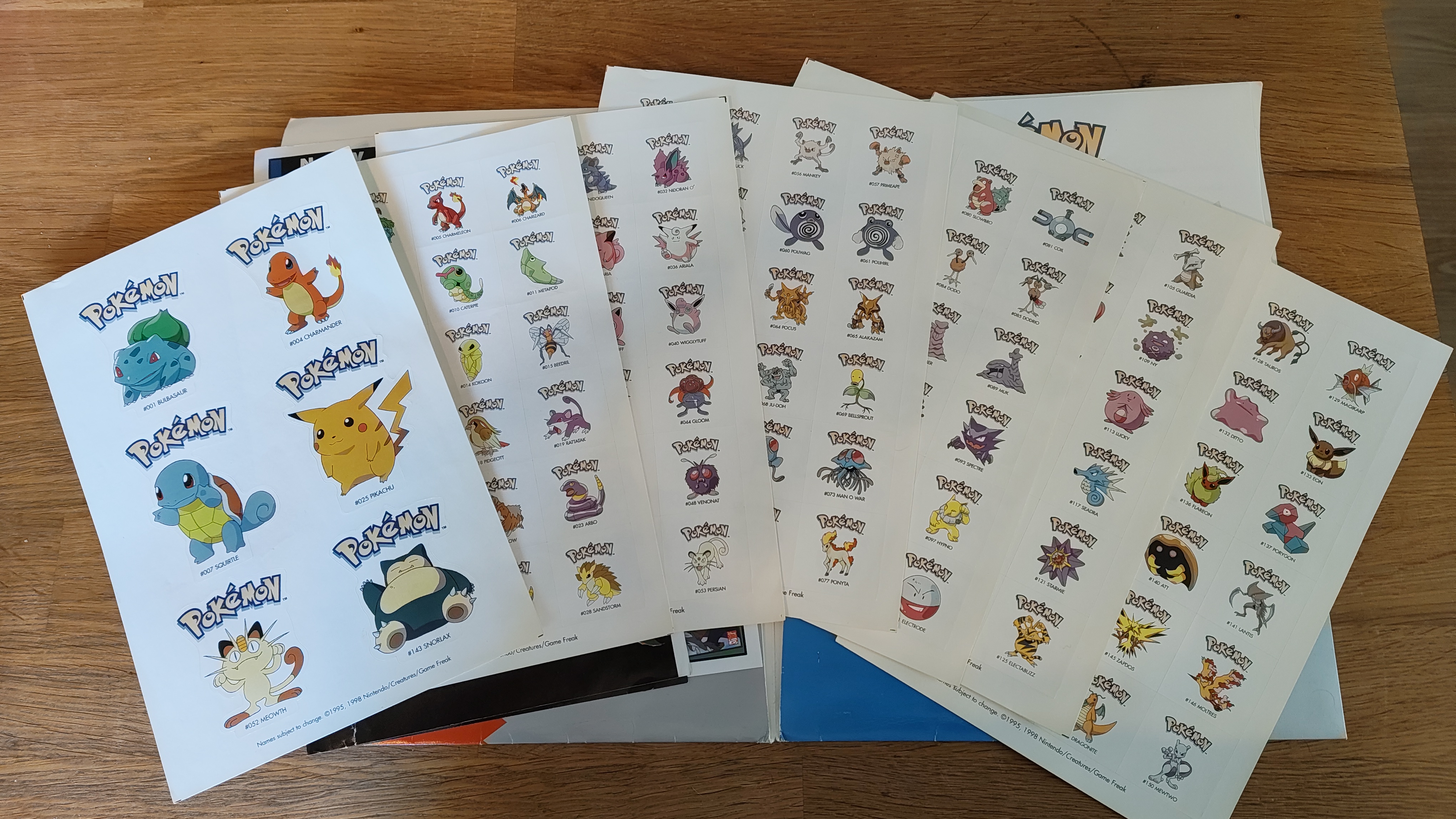 A photograph of a press kit given out in 1998, which featured stickers of all 150 Pokémon characters, many of which had different names (Photo credit: Cas)
Wow, so we can thank you for those names! How did you come up with them?
Gail:
No idea other than the obvious combining the two words "polli" for polliwog and "whirl" for the central spiral.
I am sure that fans would love the opportunity to credit the people who came up with the names of their favourite Pokémon and locations. Are there any other Pokémon names that we can credit to you or people you worked with?
Gail:
There were sometimes names needed for animation characters – I came up with the idea of using famous outlaws for the bad girl/guy Team Rocket teams Jessie and James, Butch and Cassidy, and Bonnie and Parker (this one may not have been used in this manner). These are first and last names split into two. It was also fun because Al Kahn of 4Kids had a daughter named Cassidy.
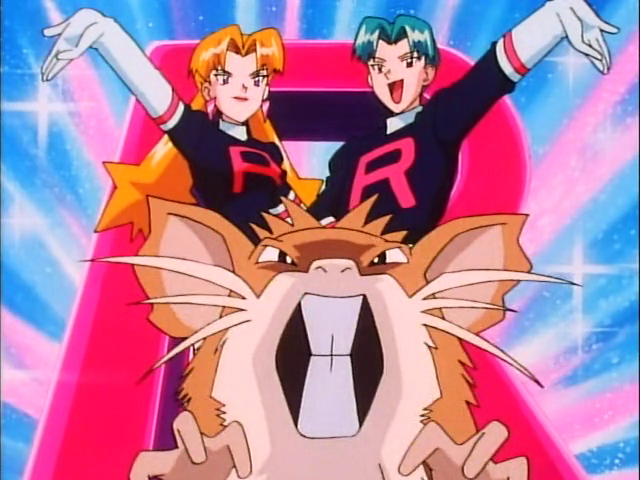 A screenshot of Cassidy & Butch, who first appeared in the Pokémon anime episode “The Breeding Center Secret”
According to the same press kit, the popular slogan “Gotta Catch 'Em All” was originally going to be “Catch 'em if you can!” How did you come to settle on the slogan we all know and love?
Gail:
It was disappointing not to get clearance on "Catch 'em if you can!", and we were in a teleconference with Norman Grossfeld of 4Kids, who suggested "Gotta Catch 'Em All!", which sounded "catchy!" It cleared and became a great tag line and a clever song.
Localising Pocket Monsters to Pokémon required a new logo to be created for video games and merchandise. In May 2025, graphic designer Chris Maple confirmed that he designed the Pokémon logo and spoke about the initial meeting he had with you and other members of the team. What do you recall about the discussions you had relating to the logo and the meeting with Chris?
Gail:
I don't remember much of the specific meetings but do remember looking at the mockups that he shared and selecting between them. I love the way it looked with the bright blue and yellow – although it didn't end up always being easy to apply to various art needs because the arch takes up extra space.
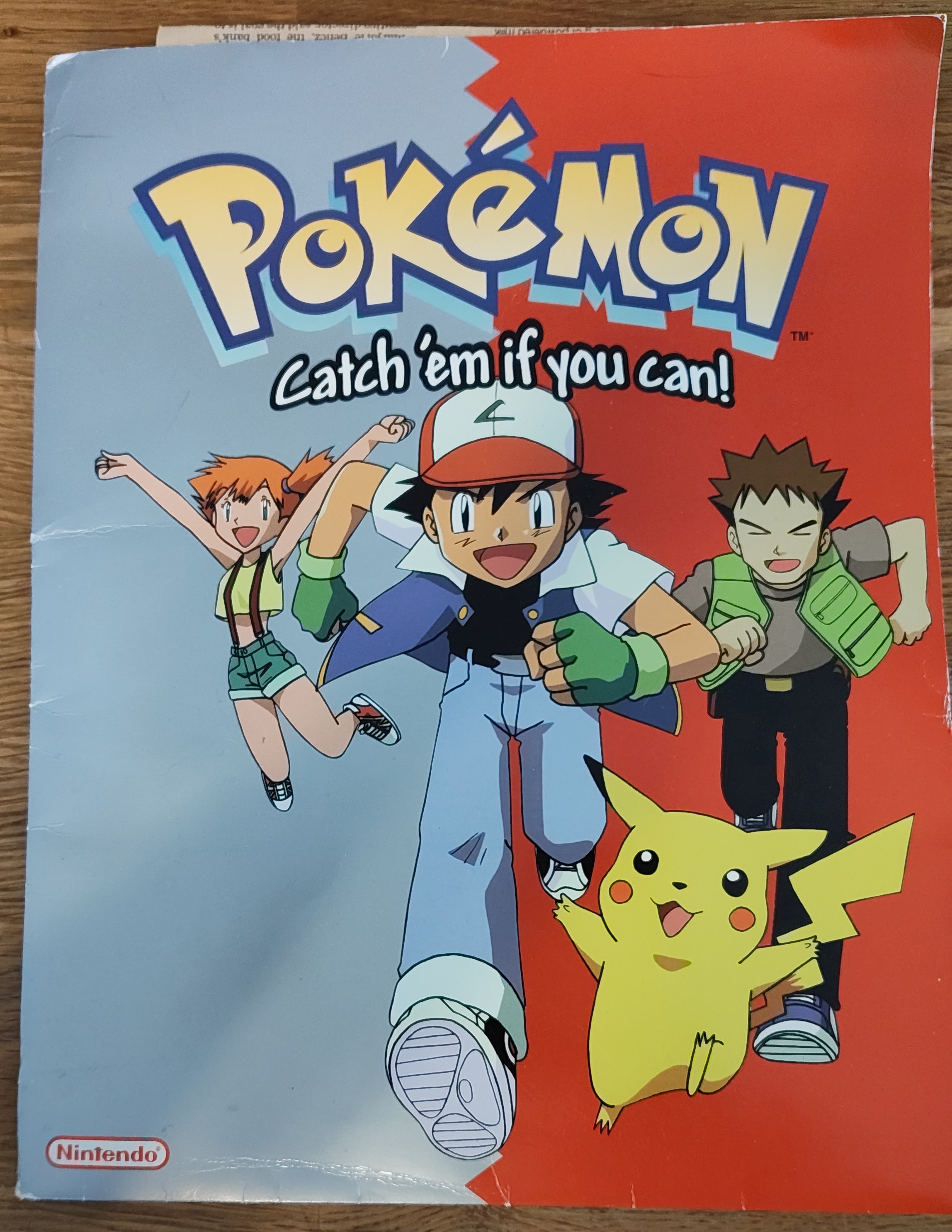 “Catch ‘em if you can!” was the original slogan for Pokémon, proposed by Gail and her team (Photo credit: Cas)
Many partners were responsible for controlling the different arms of Pokémon’s franchise in the west. Hasbro was granted the master toy license worldwide (except for Asia), while 4Kids Entertainment controlled the anime, and the Pokémon Trading Card Game was in the hands of Wizards of the Coast. How did you come to the decision to choose each of these companies?
Gail:
4Kids had been Nintendo's long-time licensing agency for brands like Mario, Zelda, etc. They were also excited at the prospects with Pokémon and what was happening in Japan. At that stage, 4Kids had a small production team focusing on kid properties and it was great that they could handle localization of the show. The merchandise licensing arm, which was their main business, brought proposals from companies like Hasbro and WotC for Nintendo's review and approval. We were fortunate that WotC is located in the Seattle area so the brand team could work directly with them on the [TCG].
These partnerships lasted for quite a few years until the licenses expired and were brought under the control of The Pokémon Company. I am interested to learn what the relationship was like between these companies and Pokémon during this time. Is there anything you can share?
Gail:
Not really – each company had an area they either had or developed expertise in and Nintendo of America was the conduit for the project – later [The] Pokémon [Company] International.
On December 16th, 1997, Dennō Senshi Porygon, more commonly known and translated as "Electric Soldier Porygon", aired on Japanese television, which caused photosensitive epileptic seizures to around 700 viewers, causing the show to take a four-month hiatus. What can you share about the conversations that were happening internally on the topic of this unfortunate incident?
Gail:
Only that episode 38 would never [ever] be shown. The timing, and [the] show hiatus, was coincidentally right when I took on my new role. It was certainly a topic with Shopro (the Japan-side team) that we coordinated with on the character licensing and show.
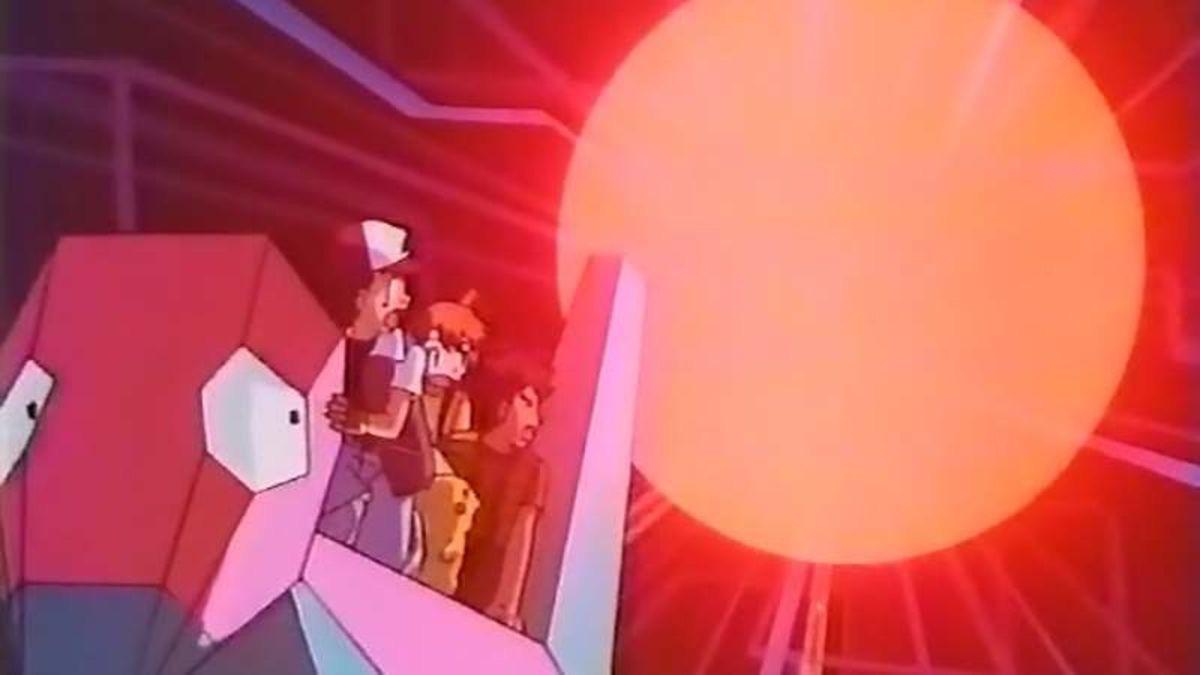 An image from the Pokémon anime episode "Senshi Porygon" (Electric Solider Porygon), which caused around 700 Japanese viewers photosensitive epileptic seizures when it aired in 1997
On August 27th, 1998, the first official Pokémon event took place in Topeka, Kansas. It was the first opportunity for kids to go hands-on with Pokémon Red & Blue and check out many of the products which would be available later that year. A city proclamation was even made by the mayor to declare the city would be renamed “ToPikachu” for the day. What can you tell us about the planning of that event?
Gail:
Unfortunately, I didn't attend, but the plan was to use the new VW Beetle repainted to look like Pikachu and to head out around the US to parks and places where families were having fun to show off the game and IP. 10 yellow skydivers parachuted into Topikachu, Kansas and jumped into the cars to race off around the country. It was very attention-getting. I wanted the horns to be modified to say "Pika Pika" but apparently there is a law against it?!? (Back in the 70's there was a RoadRunner model that went "meep, meep" that I loved). The tour was also coordinated with [the] mailing of a video tape to Nintendo's mailing list that showcased the show, Red/Blue and some of the toys and cards.
In 1999, Pokémon and Burger King worked together to distribute toys with Kids’ Meals between November 8th and December 31st. The campaign was incredibly successful and even resulted in some locations running out of toys. A year prior to this, KFC sold beanbag plush toys as part of their Pokémon promotion. What are your memories of these two promotions?
Gail:
At the time BK said the promotion offered a larger selection of premiums than they had ever done before. It was so successful that they ran it a second time in the spring of 2000. They also launched a Poké Ball that had a gold-plated "card" inside that you could purchase. I've seen a few of them on eBay lately. The KFC promotion a year earlier is what we point to as the one thing that was too early in the introduction of the brand and wasn't a success.
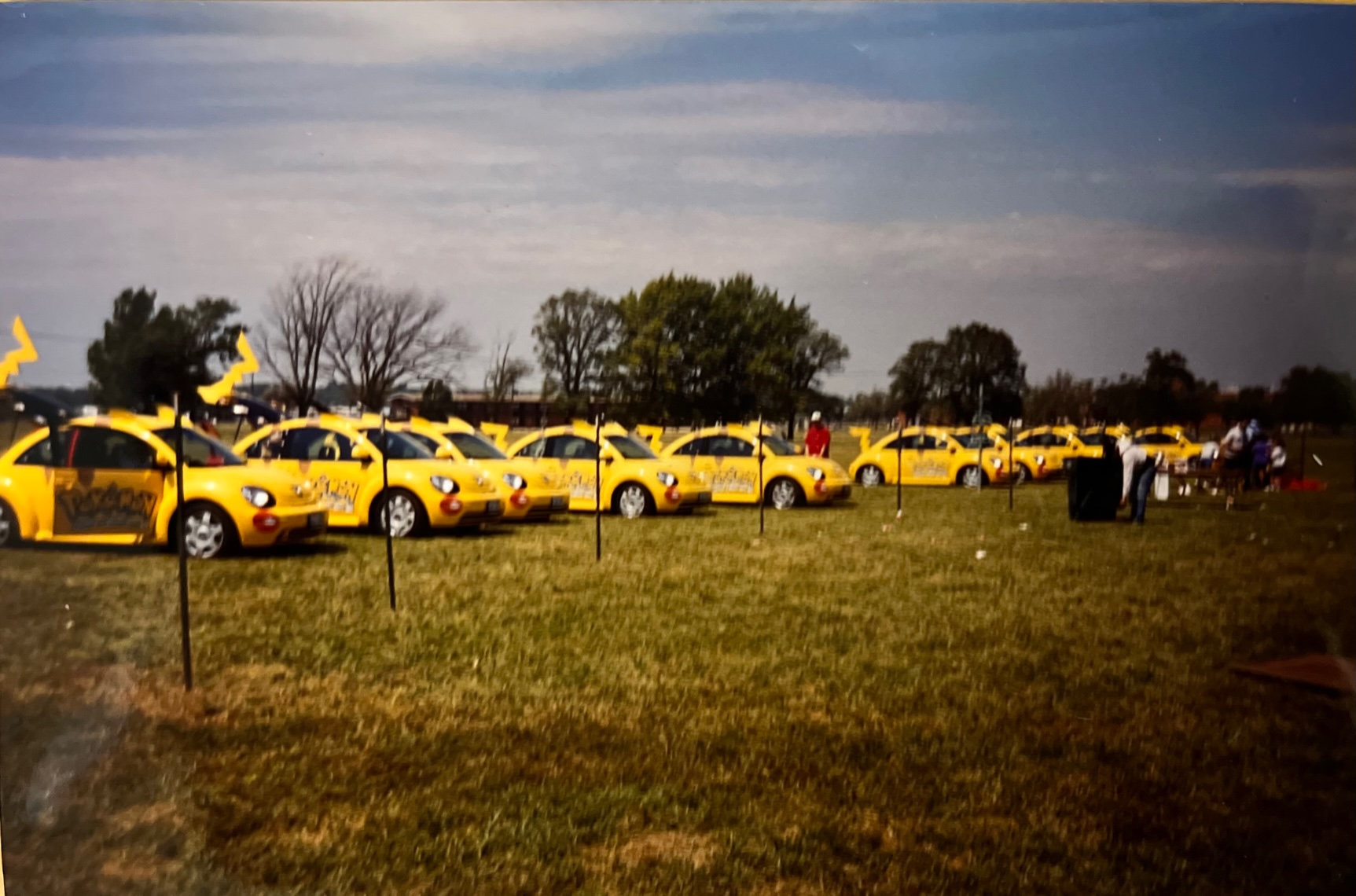 Ten Pikabug cars (known as PokéPatrol) made their debut at the event in Topeka and were used by Nintendo to promote the franchise for several years (Photo credit: Alyssa Buecker)
What were some other Pokémon campaigns you worked on over the years which you have strong memories of?
Gail:
For the launch of Gold/Silver, the PR team came up with a stunt to unload the games from an armoured vehicle in Fort Knox, Kentucky – famous for storing US government gold. Everything was going as planned with a nice calm celebration until they opened the back of the truck and the kids went wild grabbing boxes!! It was mayhem.
"Pokémon Live!" was a musical stage production which toured the United States between September 2000 and January 2001. You were listed as an executive producer for the show. Where did the idea for the show come from, and how did you get involved?
Gail:
The show was created by 4Kids Productions; Norman Grossfeld was the lead creative along with his team. Often what would happen is Norman or someone on the licensing side would ask me about an idea, or it would come up in conversation – "What if we did something similar to Disney on Ice"? Together, we pitched the idea to Mr. Ishihara when we were in London for the launch of the Pokémon movie. On these types of projects I would collaborate with the team in meetings and review scripts, costumes, etc. Since I have a marketing background, I would provide direction on advertising, etc. We had a hard time filling seats in some cities, and I convinced my boss to let us offer early access to Pokémon Gold/Silver to attendees! I loved the show and wished it had a longer run.
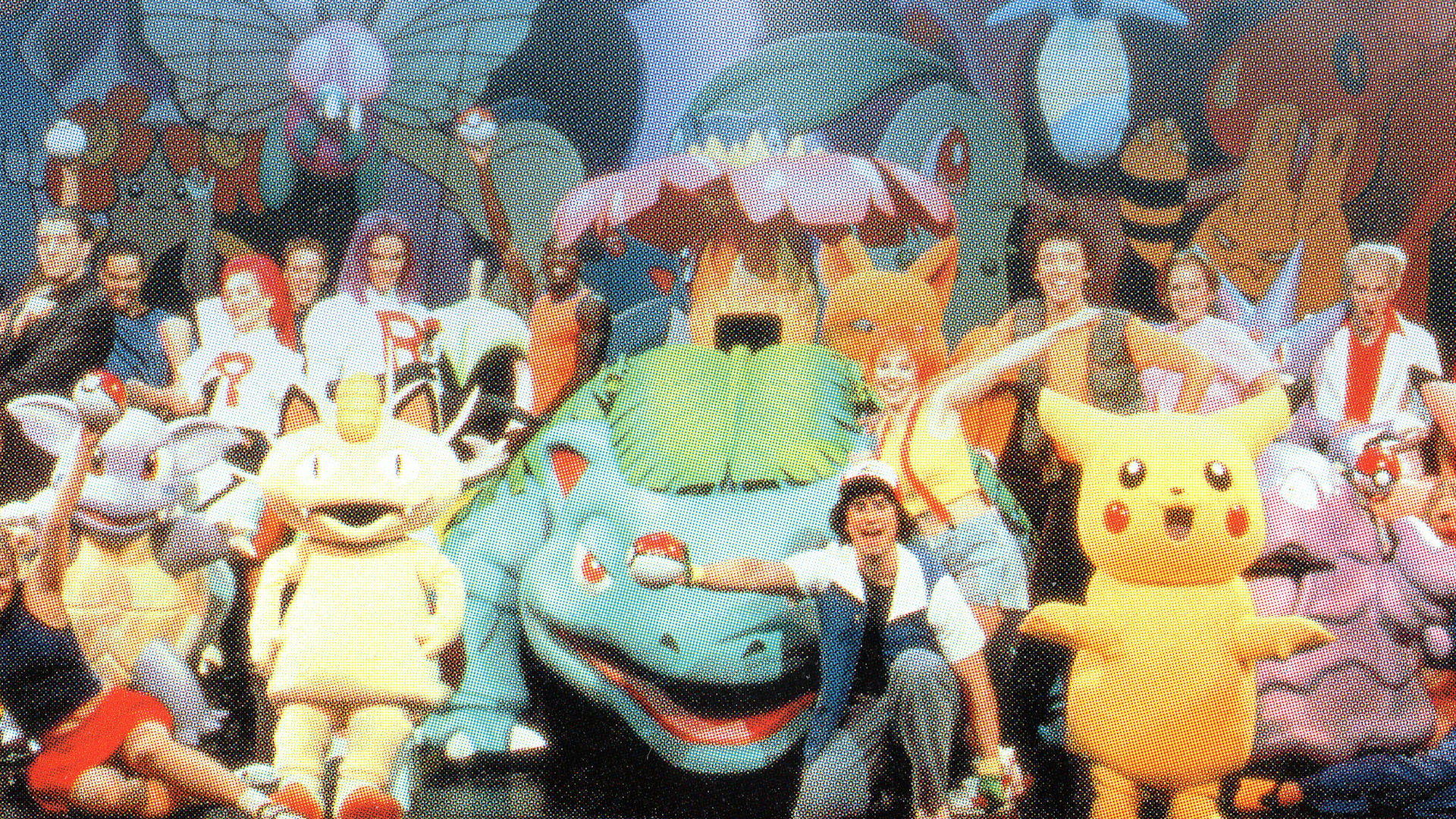 "Pokémon Live!" was a musical that toured across the United States from September 2000 to January 2001 and later in several other countries across the world
In 2001, the official website confirmed a home release of “Pokémon Live!” which unfortunately never happened. I know there is a lot of interest to discover the reason behind that, so I was hoping you might be able to shed some light on this!
Gail:
There were always so many projects happening simultaneously that, honestly, it just got back-burnered at 4Kids.
The Pokémon Center New York store opened on November 16th, 2001 in Rockefeller Plaza and was the first store of its kind to open outside of Japan. What can you tell us about bringing a Pokémon Center to America and your memories leading up to its grand opening?
Gail:
I participated in the site selection visits. One cool location was an old bank with a huge vault that we walked into. I got to attend the opening but at that point Pokémon USA had been founded and Nintendo focused mainly on the video game side of things.
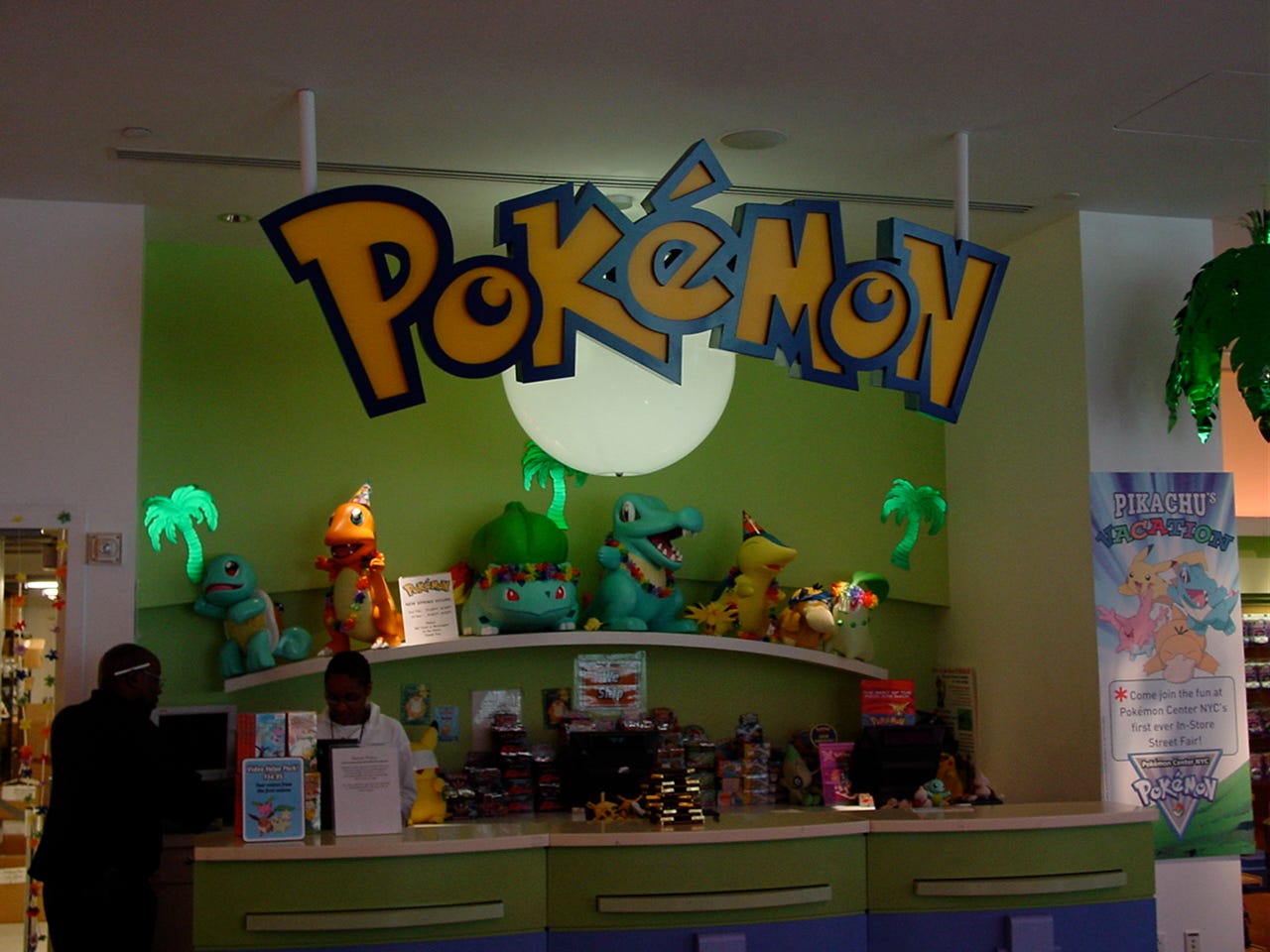 A photograph of the inside of the Pokémon Center New York store, which opened on November 2001 (Photo credit: Tatton)
In February 2001, Pokémon USA was established to manage the Pokémon franchise outside of Asia. In the years that followed, the licenses for the Pokémon Trading Card Game, animations, and merchandise, were all under the control of the company. How involved were you in that process, and how were those experiences for you?
Gail:
My key involvement was more with the video games, although we helped with the transition of the Trading Card Game from Wizards of the Coast to Pokémon USA. There was a team that collaborated on the key "tentpole" elements – we called it "Pokémon 4Ever" – on things like the Macy’s Parade, etc. It was important to support the brand year-round, not only during the time of launching a game or [TCG] release.
I am curious to hear your memories of meeting some of the key people from Japan who were responsible for the creation of Pocket Monsters. Do you have any stories you can share with us?
Gail:
I only had the opportunity to meet with Mr. Tajiri once in 1998. He was very emotional about bringing his creation to the rest of the world. (The name Ash is intended to be a derivative of Satoshi). We worked most closely with Shopro on animation and licensing – Mr. Fujita was our point person and he and the Shopro group worked tirelessly to make the brand a success – in animation I enjoyed a good relationship with Mr. Kubo and Mr. Mori. These teams often acted as a go-between for approvals with Game Freak and Creatures. At Nintendo of America, Kenji Okubo (currently with [The] Pokémon [Company] International) coordinated with Creatures and Wizards of the Coast on all things [TCG].
 Gail was responsible for naming Poliwag, Poliwhirl, and Poliwrath, as well as Pallet Town
As of 2025, there are now more than 1000 Pokémon characters across nine generations of Pokémon games, and the series has seen huge resurgences thanks to games such as mobile title Pokémon GO as well as significant interest in the Pokémon TCG in recent years. What are your thoughts on how far the franchise has come since your involvement during its very earliest days?
Gail:
It's amazing, really. I think Game Freak's continued ability to evolve the story and characters and keep using advancing technology to make it even more fun is brilliant. The coordination of all of the tentpole elements – video games, cards and animation – is a work of art.
You left your role at Nintendo in August 2007, after more than 24 years at the company. What were some of your favourite memories and anecdotes of working with the Pokémon brand and Nintendo?
Gail:
This year marks the 40th anniversary of the New York launch of the NES. There was a small team that lived in New York for the better part of six months and we were all wearing many hats – it was a lot of work but really set the foundation for many things to come. For example, the Nintendo Quality Seal which is still used today on all Nintendo and licensed products. My favorite job was as head of publications – founding Nintendo Power Magazine and the Nintendo websites. It was so much fun creating our own product and coming up with creative ideas for articles and subscription offerings.
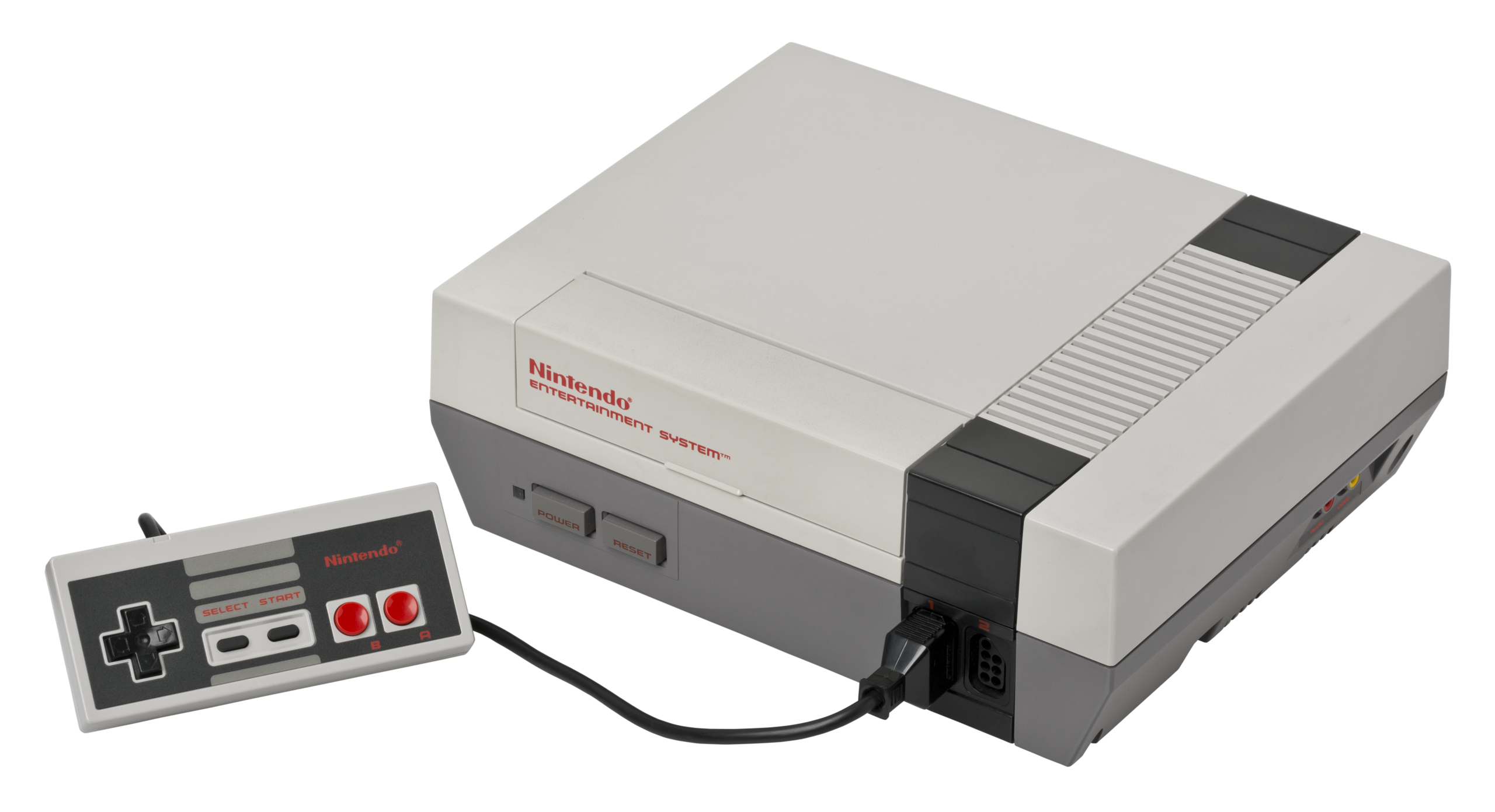 2025 marks the 40th anniversary of the NES launch in New York; it launched nationwide in September the following year, 1986
Gail, I want to sincerely thank you for taking the time to answer our questions and for the fundamental work you and your team did to make Pokémon such a huge success outside of Japan. Before we end our interview, do you have any final thoughts you would like to share with our readers and the wider Pokémon community?
Gail:
Being a part of the early days of Pokémon was amazing. Fans and gamers who have grown along with the franchise since the beginning are now reaching the age that they can introduce it to the next generation – keep it up! Pokémon has many great themes and messages about the environment, cooperation, fair competition, etc. that are worth sharing.
A massive thank you to Gail for taking the time to answer our questions, and for sharing some fantastic stories and insight about her role at Nintendo, bringing Pocket Monsters to the rest of the world as Pokémon. We are incredibly appreciative and grateful of all she and her team did to make Pokémon such a huge success.
Interview conducted on: September 18th, 2025
Interview published on: December 18th, 2025


Comments
Loading comments...